Tummy Tuck Drains: What They Do and When the Surgeon Removes Them
Tummy tuck drains are small tubes that may temporarily remove excess blood or fluid from under the skin, according to the American Society of Plastic Surgeons (ASPS). Ask the operating team when yours will be reviewed and what needs to happen before removal.
If you're planning a tummy tuck in Thailand, settle the drain review and removal arrangements before booking flights. Ask who will look after a drain if it remains in place beyond your expected departure.
Clinics cannot pay to be listed or ranked higher on AsiaPatient.
Why drains may be used after a tummy tuck
The British Association of Aesthetic Plastic Surgeons (BAAPS) says drains are often used to remove fluid that can collect at the surgical site. Cleveland Clinic describes inserting drainage tubes if necessary to drain excess fluid.
You might have drains. Ask your surgeon whether they expect to use them for your operation. ASPS says small tubes may be used temporarily.
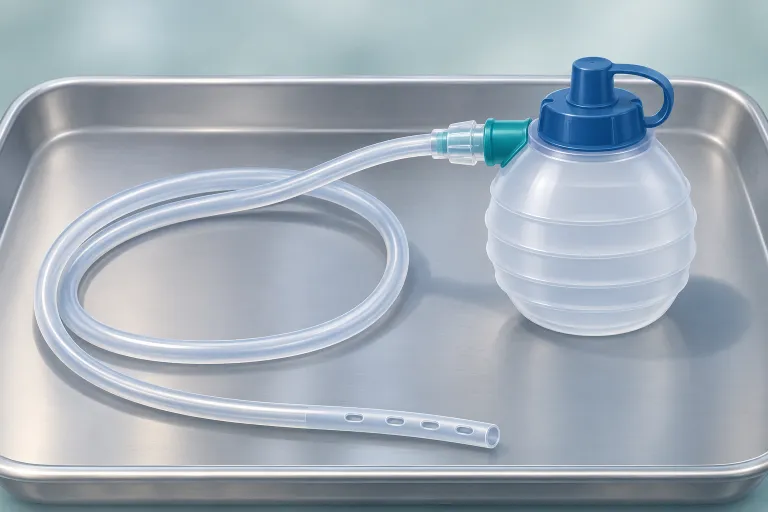
Bangkok Hospital Headquarter describes its drain as being for lymph and blood. Its published explanation connects removal to the amount of drainage, so ask the team to explain how that assessment applies to you.
How long do tummy tuck drains stay in?
Ask for a review appointment and the surgeon's removal criteria together. If you're given an expected removal day, ask what would change it and when the team would reassess you.
What this means when treatment is in Thailand
Bumrungrad International Hospital says fluid accumulation under the skin "may require additional outpatient visits". Ask how extra reviews would be arranged while you're staying locally and after you return home.
Ask where your drains will be removed before you book flights.
Give the operating team your proposed departure date and ask whether it fits the expected reviews. If a drain is still present near departure, ask whether you need to postpone the flight, arrange another examination or change the removal plan.
Request a written response to the points that affect your trip:
If you're considering tummy tuck surgery in Bangkok, use the same questions when discussing the local appointment plan. Ask the hospital to separate admission nights, accommodation and follow-up visits in its written arrangements.
How Bangkok Hospital describes drain removal
Bangkok Hospital says the drain will be removed "when the drainage is minimal". Ask your team what that means for your own drain.
Ask your operating team what counts as ready for removal in your case. Don't apply another clinic's online output threshold or another patient's removal date to your own drain.
What to confirm before discharge
ASPS says postoperative instructions may cover drain and wound care, medication, concerns to watch for and follow-up. Request written answers about the drain before you leave:
Leave drain removal and adjustments to the clinical team.
Ask for a demonstration of any care you're expected to do, followed by written instructions. Use the tummy tuck recovery guide for the broader discussion about activity and follow-up.
A drain review and removal timeline
Use these stages to organize appointments with the operating team. Fill in dates only after the team has explained your own plan.
| Stage | Starting point | Question to settle |
|---|---|---|
| Before discharge | ASPS lists drain care and follow-up among possible instructions. | Who teaches the care, and how do I reach the team? |
| Early recovery in Thailand | Keep the team's written review appointment with your discharge instructions. | Where will I be assessed if a drain concern arises at my hotel? |
| Drain review | Bangkok Hospital ties its removal decision to minimal drainage. | What criteria will my own surgeon use? |
| Before departure | Ask the team to review your flight plans and remaining appointments. | If a drain remains, should I change my departure date? |
Ask whether the review and removal will be separate appointments. Confirm what happens if you need another visit, including where it takes place and what it costs.
Drain care and changes the operating team needs to hear about
Get instructions for the drain you actually have. Ask the team to show you each care step, explain who can help at your accommodation and check that you understand the instructions.

Before discharge, ask these practical questions:
- How should I care for the drain site and dressing?
- How should I handle the drain during washing and dressing?
- What amount, color or change in drainage should prompt a call?
- What should I do if the tube leaks, appears blocked, loses suction or comes out?
- Who should assess a change in the skin around the drain?
- Which concerns need an immediate call, and which need emergency assessment?
These are questions for the team that placed the drain. Follow the care steps they teach you, and contact them about equipment problems instead of trying to adjust or reconnect the drain yourself.
Cleveland Clinic lists bleeding, pain and swelling, infection, fluid accumulation and poor wound healing among possible tummy tuck complications. It also lists blood clots and changes in sensation.
Tell the operating team about concerns involving these changes and ask how urgently you need assessment. Get their contact instructions before leaving hospital, including what to do if the usual number doesn't answer.
For the wider complication discussion, see tummy tuck risks. Ask your surgeon to distinguish expected changes from warning signs for your operation, including concerns after the drain has been removed.
Drainless tummy tuck: what it means and what the research can show
A drainless approach can use surgical stitching without drains: the 2017 review by Jabbour and colleagues compared progressive-tension sutures plus drains with drains only, and with sutures alone. Progressive-tension sutures are a surgical stitching technique.
The complication studied is seroma, which Cleveland Clinic describes as fluid accumulation. Ask which fluid-management method the surgeon proposes and how follow-up will work with it.
What the studies compared
Liao and colleagues, 2024, conducted a systematic review and meta-analysis, which combines results from multiple studies. This review analyzed 20 articles across nine technique categories, combining evidence from different study designs. Compared with two drains alone, alternative techniques had a pooled risk ratio, a combined comparison of risk across the studies, of 0.33 for seroma, with a 95% confidence interval, the statistical range reported with that estimate, of 0.11 to 0.99.
That is a relative comparison between the studied approaches.
The Liao review found the most supporting data for progressive-tension and quilting sutures, both stitching techniques. Increasing the number of drains didn't have the same statistical support in that analysis.
Seretis and colleagues, 2017, reviewed prospective controlled studies. This meta-analysis included nine studies with 664 abdominoplasty patients. Seroma occurred in 7.5% of prevention-group patients and 19.5% of control-group patients.
Here, the prevention and control groups cover the prevention approaches studied in that review.
Jabbour and colleagues, 2017, conducted a systematic review and meta-analysis. It included seven studies: three randomized controlled trials and four retrospective studies, which look back at existing patient data. Patients with progressive-tension sutures plus drains had a significantly lower seroma rate than those with drains alone.
The same review reported no difference in seroma rates between sutures plus drains and sutures alone. Those are separate comparisons within the review.
Vernier-Mosca and colleagues, 2021, conducted one retrospective comparative study. This single-institution study in France included 215 patients operated on from 2017 to 2019, with 162 in the drainage group and 53 in the no-drainage group. It reported no significant difference in postoperative seroma occurrence between the groups.
Paranzino and colleagues, 2023, conducted one retrospective single-surgeon chart review of all abdominoplasties over a 20-year period.
The Paranzino review also reported different proportions of patients after massive weight loss: 4.1% in the drain group and 9.2% in the group without drains. Discuss these findings with your surgeon alongside the proposed operation and your own medical history.
Questions for a Thailand consultation
Ask the surgeon to explain the method in plain language:
- Are drains planned for my operation?
- If you propose a drainless approach, which technique will you use?
- Why do you consider that approach appropriate for me?
- How will you monitor for fluid collections?
- Where would I receive care if a fluid collection develops?
- Would that change my follow-up appointments or departure plan?
Ask how the surgeon's proposed technique relates to the study being discussed. Keep any quoted risk figure with its study population and comparison group.
In this section: seroma after a tummy tuck.
Frequently asked questions
Why are drains used after a tummy tuck?
BAAPS says drains are often used to remove fluid that can build up at the surgical site. Ask whether your operation is expected to include them and what care you'll be taught.
How long do drains stay in after a tummy tuck?
Bangkok Hospital links removal to minimal drainage. Ask your own surgeon for the review date and removal criteria, including what happens if you need a later appointment.
How many drains will I have?
Ask your surgeon whether drains are planned and, if so, how many. ASPS says small tubes may be used temporarily; confirm the details for your proposed surgery.
What amount of drainage means a tummy tuck drain can be removed?
Bangkok Hospital uses the wording "when the drainage is minimal". Ask the operating team how it assesses drainage and whether it wants you to record amounts; leave the removal decision and procedure to the clinical team.
What is a drainless tummy tuck?
The Jabbour review studied progressive-tension sutures without drains as one approach. Ask which surgical method the term describes in your consultation and how the team will monitor your recovery.
Can I fly before my tummy tuck drain is removed?
Ask the operating team to assess your proposed flight and confirm who will review and remove the drain. Get a specific answer about whether a remaining drain changes your departure plan, including what care would be arranged after arrival.
What changes should I report to the surgical team?
Ask for the team's specific warning signs and contact instructions before discharge. ASPS says recovery instructions may include concerns at the surgical site or in your general health; ask how to report drain problems and when to seek urgent assessment.
Read next
- Tummy tuck scar: where it sits, how it heals, how to hide itWhere a tummy tuck scar sits, how it changes while healing, clothing considerations, scar care and the limits of treatment claims.
- Tummy tuck risks, drains and warning signs after surgeryTummy tuck risks, the purpose of drains, recovery warning signs, follow-up and flight-planning questions for surgery in Thailand.
- Tummy tuck belly button: what changes in a full vs. mini tuckWhy a full tummy tuck makes a new belly button opening, what stays different in a mini tuck, the scar, healing and what to ask before a Thailand trip.
Ask Where Your Drains Will Be Removed Before You Book Flights
Tell us the procedure, your budget and your dates, and any hospitals you are considering.
Get My Free Quote →Free, no obligation. Nothing goes to a clinic without your OK.