Hair Transplant Aftercare: How to Protect Your Investment
Part of our comprehensive hair transplant guide, this aftercare section covers everything you need to know to protect your investment. Proper aftercare can increase graft survival by 5-10%, the difference between 85% and 95% success. The first 2 weeks are critical: grafts are fragile and easily dislodged. This guide provides exact instructions for every phase of recovery.
First 48 Hours: The Critical Window
Why it matters:
- Grafts haven't anchored yet (held in place only by small clot)
- Easy to dislodge with trauma, rubbing, or pressure
- First 24 hours are especially fragile
Sleeping
Position: 45-degree angle (almost sitting)
How:
- Wedge pillow (best option)
- 3-4 stacked pillows
- Recliner chair
Why: Prevents swelling, keeps blood from pooling in forehead
Pillow protection:
- Old pillowcase (small amount of bleeding/oozing normal)
- Change pillowcase if blood-soaked
Avoid:
- Lying flat (increases swelling)
- Sleeping on stomach (pressure on grafts)
- Rolling onto transplanted area
Pain Management
Expected pain level: 2-4/10 (mild-moderate discomfort)
Medications:
- Prescribed pain relief (take as directed)
- Tylenol/paracetamol (if no prescription given)
- Avoid ibuprofen/aspirin (can increase bleeding)
What's normal:
- Tightness in scalp
- Throbbing if you bend over
- Mild ache in donor area
Call surgeon if:
- Pain >6/10
- Pain worsening after day 1
- Pain with fever, increasing redness
Swelling Prevention
Ice packs:
- Apply to forehead (NOT on grafts)
- 15-20 minutes every 2-3 hours while awake
- Day 1-3 only
Anti-inflammatory:
- Take as prescribed
- Reduces swelling and discomfort
Sleeping elevated:
- Most important swelling prevention
- Sleep at 45-degree angle for 3-5 nights
Activity Restrictions
Absolutely avoid:
- Touching grafts (even gently)
- Wearing hat
- Exercise
- Bending over
- Straining (lifting, pushing)
- Sexual activity (increases blood pressure to scalp)
Allowed:
- Gentle walking indoors
- Watching TV, reading
- Light computer work
- Eating normally
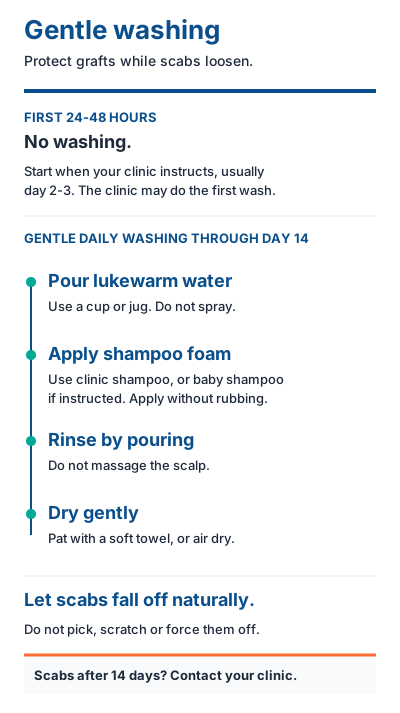
Washing: NOT Yet
First 24-48 hours: No washing
Clinic will instruct you when to start (usually day 2-3 for first wash, often performed by clinic)
Days 2-7: Gentle Care Phase
Washing Technique (Critical: Get This Right)
When: Days 2-14 (daily)
Why: Remove scabs gradually, prevent infection, promote healing
How (exact technique):
- Water temperature: Lukewarm (not hot, not cold)
- Pressure: Very gentle (pour/drizzle, don't spray)
- Shampoo: Only clinic-provided shampoo (or baby shampoo if instructed)
- Technique:
- Drying:
Donor area (FUE/FUT):
- Can wash normally after day 3
- FUT: Avoid direct pressure on suture line
Common mistakes:
- Using regular shampoo (too harsh)
- Rubbing/massaging (can dislodge grafts)
- Hot water (increases swelling)
- Spraying water directly (pressure can dislodge grafts)
Scab Management
What happens:
- Scabs form around each graft (day 1-2)
- Begin softening and lifting (day 5-7)
- Should all be gone by day 10-14
Goal: Let scabs fall off naturally with washing
Don't:
- Pick at scabs
- Scratch
- Forcefully remove
Do:
- Gentle daily washing (loosens them gradually)
- Use moisturizing spray if provided
- Be patient
If scabs remain after 14 days:
- Contact clinic (may recommend oil treatment to soften)
Medications
Antibiotics (typically 5-7 days):
- Take full course (even if feeling fine)
- Purpose: Prevent infection
- Don't skip doses
Anti-inflammatory (3-5 days):
- Reduces swelling
- Minimizes discomfort
Pain relief (as needed, 1-3 days):
- Most patients only need for 2-3 days
Additional medications (if prescribed):
- Finasteride (1mg daily): protect native hair
- Minoxidil (after 2-4 weeks, per surgeon instruction)
- Biotin/multivitamin (optional, minimal benefit)
Activity Progression
Days 2-7:
- Light walking (20-30 min)
- Working from home (desk job)
- Normal eating
- Showering (gentle technique)
Still avoid:
- Exercise/gym
- Swimming
- Direct sun
- Wearing hats (unless very loose)
- Alcohol (thins blood)
- Smoking (reduces graft survival by 15-20%)
Sleeping
Days 2-5: Continue 45-degree elevation
Days 6-7: Can reduce to 30-degree angle if swelling gone
Days 7-14: Return to Normal
Activity Expansion
Day 7-10:
- Can return to office work
- Normal daily activities
- Light cardio (walking, slow jogging) after day 10
Day 14:
- Can resume gym (avoid heavy weights)
- Swimming okay
- Cycling okay
- Most physical activities
Still avoid:
- Contact sports (until month 1)
- Helmets/tight headwear (until day 14-21)
- Direct scalp trauma
Washing
Technique: Can increase water pressure slightly by day 10
Goal: Remove all remaining scabs by day 14
Frequency: Once daily
Appearance Expectations
Day 7:
- Most scabs shedding
- Redness fading
- Swelling gone
- Transplanted hairs standing up (short stubble)
Day 10-14:
- Scabs gone
- Pink scalp where grafts were (fading)
- Donor area healing well (FUE: tiny dots, FUT: pink line)
- Can wear hat to cover pinkness if desired
Social activities: Most people comfortable going out by day 10-14
Weeks 2-4: The Shedding Phase
What happens:
- Transplanted hairs fall out (shock loss)
- This is NORMAL and expected
- Follicles remain alive beneath skin
Aftercare during shedding:
- Continue gentle washing
- No special care needed
- Resist urge to tug at hairs to "speed up" shedding
Activities:
- Fully normal by day 14
- Can resume all exercise
- Can wear hats, helmets
- Swimming/sun okay (use sunscreen on scalp)
Months 1-3: Dormant Phase Care
Minimal active care needed:
Washing:
- Normal shampoo okay (after day 30)
- Massage scalp gently (improves blood flow)
- Daily washing fine
Sun protection:
- Wear hat or sunscreen if exposed >30 min
- Sunburn can damage follicles permanently
Medications:
- Continue finasteride daily (if prescribed)
- Minoxidil per surgeon instructions
- Biotin optional
Activities:
- Completely normal
- All exercise safe
- Can dye hair (after month 3)
- Can cut hair normally
Long-Term Aftercare (Months 3-12)
Protecting Your Investment
Continue finasteride (if prescribed):
- Protects non-transplanted hair
- Prevents future loss
- 80% of patients on finasteride maintain native hair
Minoxidil (optional):
- May speed up growth slightly
- Some surgeons recommend, others don't
- Not necessary for transplanted hair survival
Healthy habits:
- Don't smoke (damages blood supply)
- Minimize alcohol (moderate amounts okay)
- Balanced diet (adequate protein, vitamins)
- Manage stress
Follow-Up Schedule
Typical schedule:
- Day 1-3: Clinic removes bandage, first wash instruction
- Day 7-10: Check healing, remove sutures if FUT
- Month 1: Quick check-in (phone/photo often sufficient)
- Month 3: Photo documentation, assess shedding
- Month 6: Growth evaluation
- Month 12: Final result assessment
When to schedule extra visit:
- Signs of infection (any time)
- No growth by month 6
- Concerns about graft survival
- Cyst formation
- Unusual scarring
Special Situations
Wearing Hats
Days 1-7: No hats
Days 7-14: Loose-fitting only (baseball cap okay if sits above grafts)
After day 14: Normal hat wearing
Hairstyling
Days 1-14: No styling products, no blow drying
Weeks 2-4: Gentle brushing okay, air dry
After month 1: Normal styling (be gentle)
After month 3: Completely normal
Hair Coloring
Wait until month 3 minimum
Better: Wait until month 6
Why: Chemicals can irritate healing scalp
Swimming
Chlorine pools: Okay after day 14
Ocean/salt water: Okay after day 14
Diving: Wait 4 weeks (avoid scalp trauma)
Exercise
Light cardio: Day 10
Moderate gym: Day 14
Heavy weights: Day 21
Contact sports: Month 1+
Items to Have Ready
Week 1 essentials:
- Prescribed medications
- Special shampoo (from clinic)
- Soft towels
- Wedge pillow or extra pillows
- Old pillowcases
- Spray bottle for gentle washing
- Ice packs
Nice to have:
- Moisturizing spray (from clinic)
- Antibacterial soap
- Neck pillow
- Loose-fitting hat (for after day 7)
Conclusion
Proper aftercare = better results. The key phases:
- First 48 hours: Sleep elevated, no touching, protect grafts
- Days 2-14: Gentle washing daily, scab removal
- Weeks 2-4: Resume normal activities gradually
- Months 1-12: Maintain healthy habits, follow-up visits
Follow these instructions exactly. Cutting corners can reduce graft survival by 10-20%. Your surgeon invested hours placing those grafts. Protect them.
Next steps:
- Understand the timeline: Hair Transplant Recovery Timeline
- Return to complete guide: Hair Transplant Guide