Breast Reduction Recovery: Timeline, Aftercare and Flying From Thailand (2026)
Breast reduction recovery can take 2 to 6 weeks according to the UK National Health Service (NHS), while Oxford University Hospitals says scars and breast shape can take 6 to 12 months to settle.
For breast reduction surgery in Thailand, ask the operating surgeon how long to stay for follow-up and what assessment you need before flying home.
What breast reduction recovery involves
Breast reduction is also called reduction mammaplasty. The NHS describes removing fat, glandular tissue and skin, then reshaping the remaining breast tissue and moving the nipple, usually while keeping it attached to its blood supply.
Oxford University Hospitals describes lollipop or anchor-shaped incisions, meaning the surgical cuts. Ask your surgeon to show you the planned incision pattern and explain how it affects your wound care.
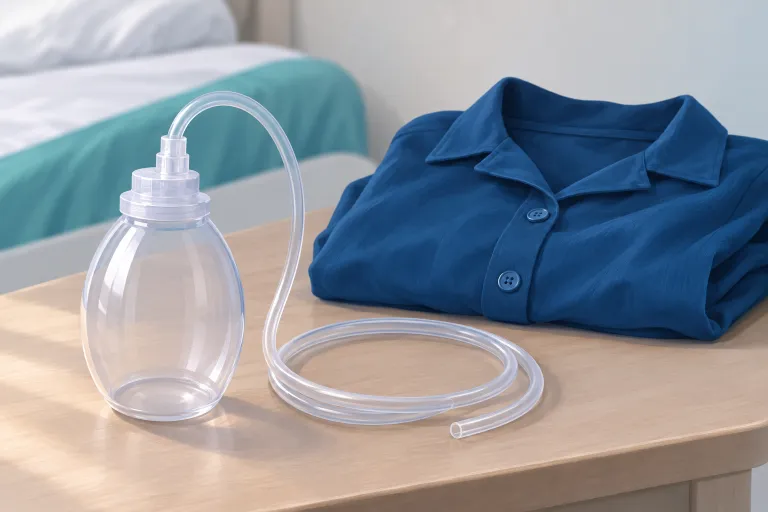
The NHS says you will wake with dressings on your breasts, and drainage tubes may be attached. Its recovery guidance includes limits on stretching, strenuous exercise and heavy lifting for up to 6 weeks.
Drains may be used. The NHS describes their removal after 1 to 2 days; ask whether your operation is expected to use them and who will arrange removal.
Breast reduction recovery time: a timeline from hospital to later healing
Use these published milestones to discuss your work duties and planned activities with the surgical team. Ask which dates are estimates and which decisions need a follow-up examination.
| Period | What the medical sources describe | Question for your surgeon |
|---|---|---|
| Hospital and first days | The NHS says a hospital stay of 1 or 2 nights is usual and describes drain removal after 1 to 2 days. | How long is my planned admission, and will I have drains? |
| First few weeks | The NHS says full recovery can take 2 to 6 weeks, with 2 to 3 weeks off work possibly needed. Oxford University Hospitals describes approximately 3 to 4 weeks of recovery at home. | What help and time away from work should I arrange? |
| Up to six weeks | The NHS advises avoiding stretching, strenuous exercise and heavy lifting for up to 6 weeks. Oxford University Hospitals says normal strenuous activities can resume after 4 to 6 weeks. | When can I restart the particular activities I do? |
| Later healing | The NHS says swelling may last around 3 months. Oxford University Hospitals says scars and breast shape can take 6 to 12 months to settle. | Which changes will you assess at later reviews? |
The admission descriptions also differ: Oxford University Hospitals describes a typical day case, meaning no overnight admission. The NHS describes the usual 1 or 2 nights in hospital.
Ask your surgeon for the schedule that applies to your operation. Keep hospital discharge, return to work and the flight assessment as separate questions when discussing dates.
Aftercare: support, wound care, movement, and follow-up
The Royal Marsden NHS Foundation Trust advises wearing a sports bra day and night for four weeks after breast reduction or breast lift surgery. It advises avoiding underwired bras because they may irritate scars.
The NHS says some surgeons suggest wearing a sports bra 24 hours a day for up to three months. Ask which bra your surgeon wants you to wear and for how long.
The Royal Marsden leaflet says dressings remain until the first outpatient appointment and describes absorbable stitches. Ask the team for written wound-care instructions, including what to do if a dressing comes loose or you have a concern before that appointment.
Oxford University Hospitals says follow-up is usually two weeks after surgery. Ask where your own wound review will take place and whether stitches need checking or removal.
For movement, the Royal Marsden advises avoiding lifting, stretching, twisting and exercise because this tends to pull on the wounds. Ask about specific tasks, including carrying luggage, lifting a child or returning to your usual exercise.
Ask when you can drive again and whether that decision needs a review. Request a written medicine schedule from the clinical team, including how it fits with medicines you already take.
Scars, swelling, sensation, breastfeeding, and results
Oxford University Hospitals says the operation leaves a permanent scar that should fade over time. The NHS describes scars around the nipple, with possible vertical and horizontal scars depending on the type of surgery.
The NHS says swelling may last around three months and can prevent you from seeing the breast's appearance until it goes down. Oxford University Hospitals says scars and breast shape can take 6 to 12 months to settle.
The American Society of Plastic Surgeons (ASPS) says nipple sensation often improves over time, but its risk list includes temporary or permanent changes in nipple or breast sensation. Ask how the proposed surgery could affect sensation in your case.
ASPS says breast reduction may limit breastfeeding, although most women can still breastfeed afterward. The NHS includes permanent inability to breastfeed among the possible complications.
ASPS also says pregnancy and weight changes can alter the result. If future breastfeeding or pregnancy matters to you, discuss it before deciding whether breast reduction surgery is right for you.
Risks and signs that need medical attention
ASPS lists the following among possible breast reduction complications. Ask your surgeon which risks are most relevant to the proposed operation and how they would manage them.
| Risk or issue | What the medical sources describe |
|---|---|
| Bleeding or hematoma | ASPS lists bleeding or hematoma, a collection of blood. |
| Infection or wound-healing problems | ASPS lists infection and poor wound healing; Oxford University Hospitals describes possible wound breakdown. |
| Fluid accumulation | ASPS lists fluid accumulation. |
| Uneven shape or scarring | ASPS lists asymmetry, shape irregularities and unfavorable scarring. |
| Sensation changes or persistent pain | ASPS includes temporary or permanent sensation changes and pain that may persist. |
| Tissue, nipple or areola loss | ASPS includes tissue loss where incisions meet and possible partial or total loss of the nipple and areola, the skin around the nipple. |
| Clots or anesthesia complications | ASPS lists anesthesia risks, blood clots and heart or lung complications. |
| Further surgery | ASPS includes the possibility of revision surgery. |
The Royal Marsden lists fever, swelling, increased pain, redness, increased fluid leakage and bleeding from the wound among the things to look out for. It advises contacting its clinical nurse specialist if any problems occur.
Ask your hospital whom to contact with these symptoms while you are in Thailand or after returning home. Get the contact details and ask what to do if the surgical team can't be reached.
One 2023 systematic review by Alkaelani and colleagues included 589 patients from 44 studies who presented with complications after cosmetic procedures abroad. These patients were selected because they had complications.
One 2021 systematic review by McCrossan and colleagues included 171 aesthetic breast-surgery tourists, of whom 11 had reductions of both breasts.
For your consultation, ask the surgeon about complications among their own breast reduction patients and the follow-up those patients needed.
What this means when you are flying to Thailand
Ask the operating surgeon for your local follow-up schedule and an individual assessment before the return flight. What needs to be checked before departure, and what would change the planned date?
Yanhee International Hospital describes its breast reduction package as "including a two-night stay" (read 31 October 2026). Ask how many additional days near the hospital your surgeon wants for reviews after discharge.
Ask whether every planned wound review and any drain or stitch removal will happen before your return flight. If a proposed trip includes accommodation, ask the surgeon whether its end date fits the follow-up schedule.
Before leaving Thailand, ask who will handle any later concern and where you would be examined after returning home. Request the follow-up plan in writing, including how to arrange another review if recovery changes your travel plans.
Clinics cannot pay to be listed or ranked higher on AsiaPatient.
Questions to put to your surgeon before booking flights
Bring your proposed travel dates and a description of your work duties to the consultation. Ask the team to address these points for your operation:
In this section: breast reduction in Thailand, what breast reduction costs in Thailand and breast reduction scars.
Frequently asked questions
How long is breast reduction recovery?
The NHS says full recovery can take 2 to 6 weeks. Swelling may last around three months, while Oxford University Hospitals says scars and breast shape can take 6 to 12 months to settle.
How long do I need off work after reduction mammaplasty?
The NHS says you may need 2 to 3 weeks off. Oxford University Hospitals normally advises 3 to 4 weeks off work, which it says includes the week of the operation; describe your duties to the surgeon when discussing your return date.
When can I exercise or lift after breast reduction?
The NHS advises avoiding stretching, strenuous exercise and heavy lifting for up to six weeks. Ask your surgeon when your particular exercise or lifting tasks can resume.
Will I have drains after breast reduction?
You may have drains: the NHS says drainage tubes may be attached and describes removal after 1 to 2 days. Ask whether they are planned for you and where removal would happen.
When can I fly home after breast reduction in Thailand?
Ask the operating surgeon for an individual flight assessment and the reviews needed before departure. Ask how the proposed travel date fits your wound checks and what happens if the team advises a longer stay.
What are the main breast reduction risks?
ASPS includes bleeding, infection, poor wound healing, fluid accumulation, sensation changes, unfavorable scarring and possible further surgery. It also lists blood clots and possible nipple or tissue loss; discuss the risks above with your surgeon before deciding.
Ask the Hospital How Long to Stay Before You Fly Home
Tell us the procedure, your budget and your dates, and any hospitals you are considering.
Get My Free Quote →Free, no obligation. Nothing goes to a clinic without your OK.