Lower Body Lift in Thailand: What It Is, Recovery and Travel Planning (2026)
A lower body lift, also called a belt lipectomy, removes loose skin and fat around the waist, including the lower abdomen and buttocks, according to Cleveland Clinic. Its guidance discusses the operation after substantial weight loss and lists stable weight, health and acceptance of scars among the suitability factors.
For the wider section, see body lift in Thailand. Before deciding on surgery, ask the surgeon to explain the proposed incision and which areas it would treat.
Clinics cannot pay to be listed or ranked higher on AsiaPatient.
What is a lower body lift?
Cleveland Clinic describes a large, wrap-around, 360-degree incision. A belt lipectomy treats the front and back, while its description of a tummy tuck focuses on the abdominal area at the front.
The American Society of Plastic Surgeons (ASPS) describes a complete lower body lift as treating the buttocks, abdomen, waist, hips and outer thighs in one procedure. Ask the surgeon to mark the planned treatment areas when discussing a circumferential body lift.
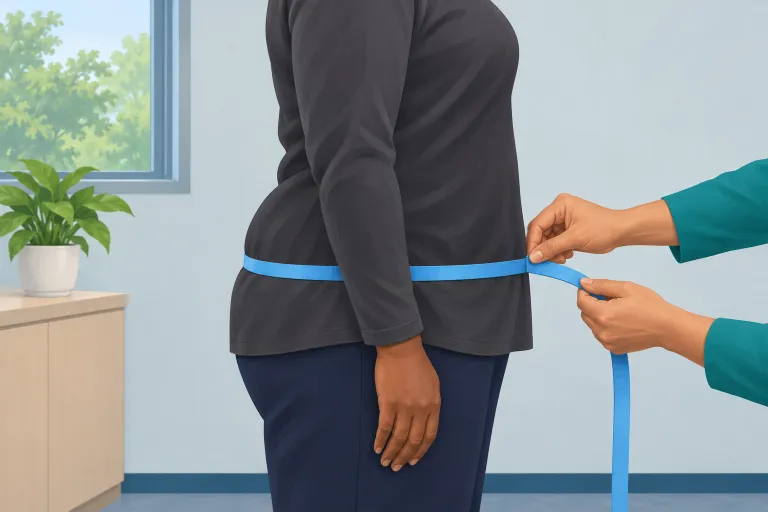
In Cleveland Clinic's description, the surgeon removes an apron of excess skin. They may also tighten muscles and lift or reposition the remaining tissue before closing the incisions with stitches, adhesives and clips.
Muscle tightening might be part of the plan. Cleveland Clinic describes it as a possible step, so ask whether the surgeon proposes it for you.
Who may consider a lower body lift after weight loss?
Cleveland Clinic's suitability guidance includes maintaining a stable, healthy weight with no further weight loss or gain planned. It also includes not smoking, accepting waist and lower-back scars, and being free of conditions such as uncontrolled diabetes that can complicate recovery.
Use those factors to prepare for a consultation. Tell the surgeon about your weight history and any further weight change you're planning, then ask how your medical history affects the decision.
If you smoke, ask what preparation the surgeon requires before considering surgery. If you have diabetes or another medical condition, ask who needs to assess it before a decision is made.
Ask the surgeon to explain the likely scar position on your body. Discuss what you're hoping to change and whether the proposed operation addresses that goal.
Lower body lift, 360 tummy tuck, and other alternatives
When a tummy tuck may describe a different area
The distinction in Cleveland Clinic's guide is the area treated: the tummy tuck focuses on the front, while belt lipectomy uses a wrap-around incision and treats the lower abdomen and buttocks.
If a surgeon proposes a "360 tummy tuck" or an extended tummy tuck, ask them to draw the incision and identify where skin would be removed. Ask separately whether liposuction is proposed and what that part of the operation would do.
ASPS says body lifts aren't intended strictly for removing excess fat. Ask the surgeon to explain which part of your goal involves skin removal and which part, if any, involves fat removal.
Why a surgeon may stage body contouring
ASPS says body contouring is often performed in stages. Your condition and goals, along with the surgeon's judgment, influence the surgical plan.
Ask whether the proposed work would happen in one operation or in separate stages. If the surgeon suggests stages, request an explanation of what each would involve and how the follow-up plan would change.
Lower body lift recovery: what the guidance says
Cleveland Clinic describes early wound care and activity restrictions separately from the longer period of swelling and tissue settling. Ask your surgeon which milestones apply to your operation.
| Phase | Published guidance | Source |
|---|---|---|
| Early recovery | Bandage changes, drain management, rest and a healthy diet; avoid waist bending and excessive early activity. | Cleveland Clinic |
| Over the following weeks | Swelling and bruising take a few weeks to subside. | Cleveland Clinic |
| Approximately six weeks | Avoid exercise and heavy lifting. | Cleveland Clinic |
| A year or more | Skin and tissue can take this long to settle into their new position. | Cleveland Clinic |
Request separate instructions for returning to work and restarting exercise. Describe what your job involves, including any lifting, so the surgeon can address your usual day.
Aftercare: drains, compression, walking, and scars
Ask for the aftercare instructions in writing before surgery. Include who will help with wound care and how to contact the surgical team between appointments.
Drains and wound care
Cleveland Clinic says drains are often placed during the operation. These small tubes remove excess fluid, and its recovery guidance includes managing drains and changing bandages as needed.
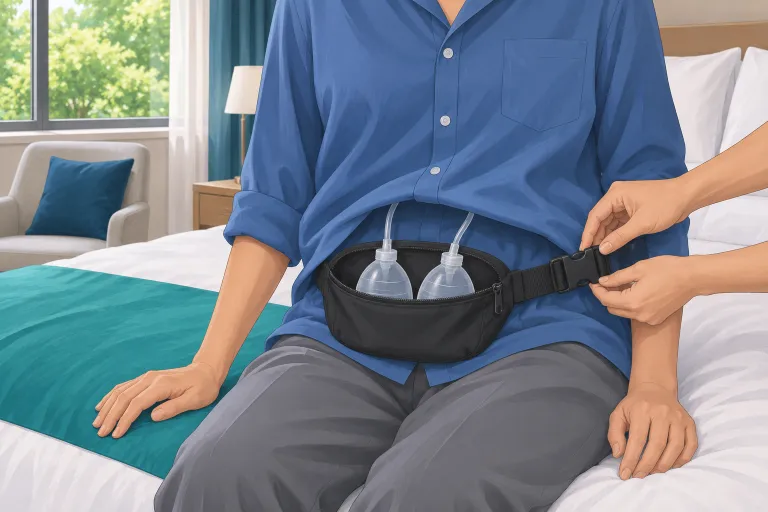
Ask whether you'll have drains, who will teach you to care for them, and what determines their removal. Request the planned review dates rather than assuming the tubes will come out on the day you leave the hospital.
Ask how the incisions will be closed and whether any stitches or clips need removal. Have the team explain who will do that and where the appointment will happen.
Compression and activity restrictions
Cleveland Clinic says you may be asked to wear a snug garment to minimize swelling. Its instructions also include avoiding waist bending or excessive activity early in recovery, and avoiding exercise or heavy lifting for approximately six weeks.
Ask which garment, if any, the surgeon wants you to wear and for how long. Request practical instructions for sitting, getting out of bed and walking, including when to start and how much to do.
Before discharge, ask what help you'll need where you're staying. Explain whether someone will be with you, and ask the team to show that person any care tasks they're expected to handle.
What results and scars may do over time
Cleveland Clinic says scars fade but never disappear entirely. Swelling and bruising take a few weeks to subside, while skin and tissue can take a year or more to settle.
Ask when the surgeon plans to review healing and discuss scar care. Include how later reviews will happen if you're already back home.
Risks and why individual advice matters
ASPS lists anesthesia risks, bleeding, infection and fluid accumulation among possible body-lift complications. Its list also includes poor wound healing, numbness, persistent pain, asymmetry and unfavorable scarring.
Blood-clot risks also need discussion. Cleveland Clinic lists deep vein thrombosis, a clot in the legs, and pulmonary embolism, a clot in the lungs, as well as wound separation and healing delays.
ASPS also lists recurrent skin looseness and the possible need for revision surgery. Ask the surgeon which risks are most relevant to your proposed operation and how a complication would be managed.
What the studies report
One 2016 study by Poodt and colleagues retrospectively reviewed 100 postbariatric lower-body-lift patients in the Netherlands. It reported an overall complication rate of 78%, with 22% major and 56% minor complications.
One 2022 study by Ibrahiem in Egypt examined 653 patients after massive weight loss who underwent 1,254 body-contouring procedures. This retrospective case-control study covered multiple body-contouring procedures and reported an overall complication rate of 16.07%.
The Netherlands study concerns lower body lift; the Egypt study covers multiple body-contouring procedures.
Ask how the surgeon assesses your risk and how that assessment affects the extent of surgery. If several procedures are proposed together, ask why that combination is being considered for you.
What this means when flying to Thailand
Ekachai Hospital lists "Circumferential Body Lifting" with 5 hospital nights, read 31 October 2026. Ask the surgical team how long you should remain nearby after discharge and which appointments you need before departure.
The Government of Canada's medical-travel guidance advises checking airline rules, obtaining medical records and planning aftercare for the return home. These are travel arrangements to address alongside the surgeon's instructions.
Ask the surgeon to assess your return flight separately.
Before booking, request answers to these questions:
Ask for a contact plan for concerns between appointments and after departure. Request instructions on what needs urgent attention and where to seek help.
In this section: body lift in Thailand, what a body lift costs in Thailand, thigh lift and arm lift.
Frequently asked questions
Is a lower body lift the same as a belt lipectomy?
Yes. Cleveland Clinic uses both names for the operation that removes loose skin and fat around the waist through a wrap-around incision.
What does a complete lower body lift treat?
ASPS describes a complete lower body lift as treating the buttocks, abdomen, waist, hips and outer thighs. Ask the surgeon to confirm the areas included in your proposed operation.
How long is lower body lift recovery?
Cleveland Clinic advises avoiding exercise and heavy lifting for approximately six weeks. It says tissue can take a year or more to settle, so ask about daily activity and longer-term healing separately.
When can I return to work after a lower body lift?
Ask your surgeon for a return-to-work plan based on the operation and your duties. Describe how much sitting, standing and lifting your job requires, and whether lighter duties are possible.
How long should I stay in Thailand after a lower body lift?
Ask for a planned departure date that accounts for your follow-up appointments and a separate flight assessment. Request the hospital discharge date and the proposed date for leaving Thailand as separate entries in your care plan.
Can a lower body lift be done after weight loss?
Cleveland Clinic discusses it after substantial weight loss and lists stable weight among its suitability factors.
Ask the surgeon how your weight history and any further planned changes affect whether or when to consider surgery.
Read next
- Thigh lift: types, scars, recovery and what to askWhat a thigh lift involves, the inner and outer techniques, where the scars sit, the recovery and risks, and what Thai hospitals print about stay.
- Arm lift (brachioplasty): types, scars and recoveryWhat an arm lift involves, standard, extended and mini brachioplasty, where the scar sits, the recovery and risks, and what Thai hospitals print.
- Body lift cost: Thailand beside the US, UK and AustraliaWhat Thai hospitals print for a lower body lift or belt lipectomy, what US, UK and Australian sources give, and what each price covers.
Ask the Surgeon Whether a Lower Body Lift Fits Your Goal
Tell us the procedure, your budget and your dates, and any hospitals you are considering.
Get My Free Quote →Free, no obligation. Nothing goes to a clinic without your OK.